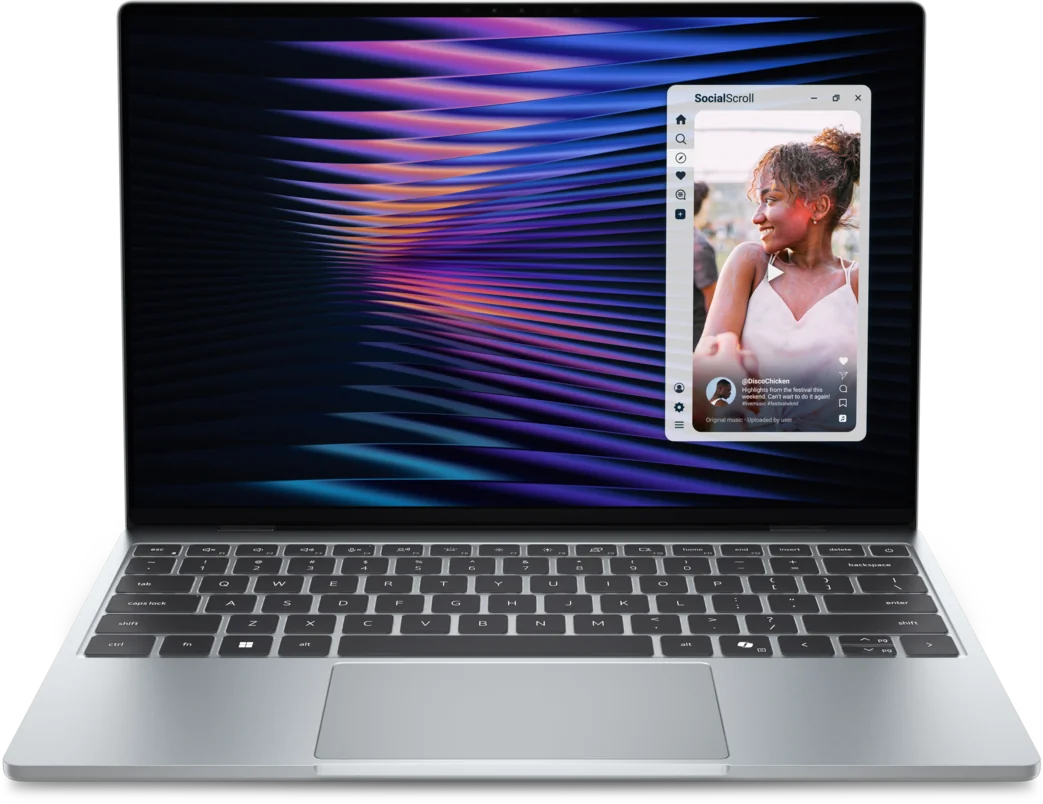
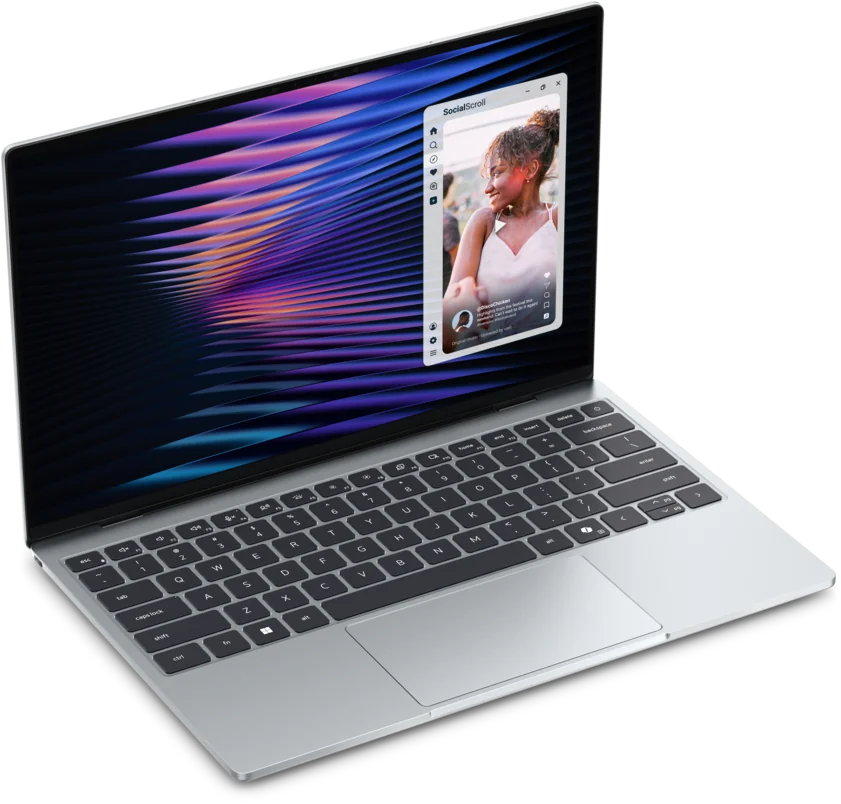
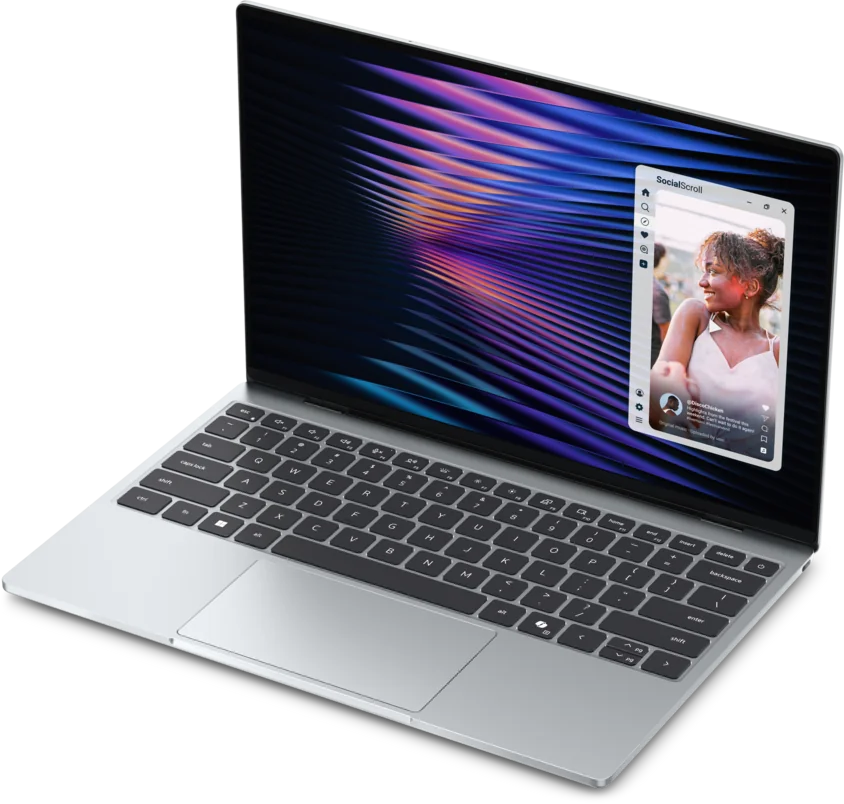
Dell XPS 13 (2026)
By Dell · Laptops · Phones & Computers
- Intel Core 5 320, 6-core, up to 4.6GHz
- 13.4-inch 2.5K (2560x1600) touch display, 30-120Hz, 500 nits
- 8GB LPDDR5X, 512GB SSD
- Up to 17 hours battery life, 52Whr battery
Lowest price seen
~$699.99 (approx.)
from $699.99 at Amazon
- Amazon ~$699.99 (approx.)View at Amazon
- DellView at Dell
- eBay (used) eBay: used, open-box, refurbishedView at eBay (used)
- eBayView at eBay
- Best BuyView at Best Buy
Prices are snapshots. Check the current price with the store.
Summary
A thin all-metal 13-inch Windows ultraportable for students and light work, built around Intel’s Core 5 320 with a 120Hz touch display and a 52Whr battery. The 8GB base RAM is soldered and not upgradeable, so decide on the 16GB configuration before you buy.
Strengths
- The CNC aluminum chassis feels premium for the price and this is Dell’s thinnest and lightest XPS yet.
- The 13.4-inch 2.5K 120Hz touch display is sharp and color-accurate, measuring 100% sRGB and 99% P3.
- Quad speakers produce fuller sound than most rivals at this size.
- Wi-Fi 7, a backlit keyboard and Windows Hello facial recognition are all included.
- Battery life is competitive: about 13.5 hours in CNET’s testing and 21:51 in PCMag’s video loop.
- The base 512GB SSD is twice the MacBook Neo’s 256GB.
Weaknesses
- The 8GB base RAM is soldered; CNET measured 60% memory use at idle and 97–98% under a moderate multitasking load.
- The 8GB review unit could not complete Cinebench 2024, 3DMark Steel Nomad, Solar Bay or PugetBench for Creators.
- The touchpad has a diving-board click and on the 8GB unit felt loose and clacky with excessive travel.
- There is no headphone jack, no card reader and only two USB-C ports.
- Dell’s own product page summary lists reported BIOS updates bricking units, short battery endurance and unsatisfactory support on early failures.
- Both colors, Sky and Storm, are similar silvery blues that are hard to tell apart.
Verified specifications
| Model | DX13260, sold in Sky and Storm color variants. |
|---|---|
| Processor | Intel Series 3 Core 5 320, 6-core (2P + 4E), 6MB cache, up to 4.6GHz, 15W base / 35W turbo. |
| Operating system | Windows 11 Home. |
| Graphics | Intel integrated graphics. |
| Display | 13.4-inch 2.5K (2560 × 1600) IPS touch, 30–120Hz, 500 nits, InfinityEdge. |
| Memory | 8GB LPDDR5X single-channel at 7467 MT/s, soldered and not user-upgradeable. |
| Storage | 512GB M.2 PCIe NVMe SSD (Gen4x4 QLC). |
| Battery | 3-cell, 52Whr. |
| Wireless | Intel Wi-Fi 7 BE213 2x2 plus Bluetooth 6.0. |
| Ports | 2x USB 3.2 Gen 2 (10 Gbps) Type-C with DisplayPort and power delivery; Thunderbolt 4 comes only on Core Ultra models. |
| Speakers | quad design, 2W main x2 plus 2W tweeter x2, 8W total peak. |
| Webcam | 1080p IR with Windows Hello facial recognition; no fingerprint reader. |
| Keyboard | backlit US English. |
| Chassis | CNC aluminum. |
| Power adapter | 65W USB-C. |
| Dimensions | 0.5 × 11.69 × 7.9 in (12.7 × 296.9 × 200.66 mm). |
| Weight | 2.2 lbs (1 kg) starting; CNET measured 2.3 lbs (1.1 kg) for both review units. |
| In the box | laptop, 65W USB-C adapter, documentation; Microsoft 365 30-day trial and McAfee+ Premium. |
| Warranty | Basic Hardware Service with mail-in; onsite support and Dell Care Plus / ProSupport Plus upgrades are available. |
Full research notes and sources
Memory and configurations
The base 8GB is single-channel LPDDR5X soldered to the board, so there is no path to add memory later. CNET measured 60% memory use at idle on the 8GB machine, spiking to 97–98% with two dozen Chrome tabs plus photo editing, and both CNET and PCMag could not finish several creative benchmarks on it. PCMag calls the 16GB upgrade the maximum available, with no other component upgrades from Dell, storage included.
Dell lists the 8GB/512GB Core 5 320 at $799.99 and the 16GB at $999.99, with student pricing putting the 8GB at $699.99 through Nov. 2, 2026. Best Buy lists both configurations at $899.99. Paying $200 more for 16GB is the safer buy if you keep a laptop more than a year or two.
Battery life
Dell claims up to 17 hours, but real-world testing lands lower. CNET measured about 13.5 hours on both the 8GB and 16GB units, while PCMag measured 21:51 in a 720p local-video loop at 50% brightness with Wi-Fi off. The gap is test methodology, not a defect. CNET scores the laptop 8.3 out of 10 and RTINGS 8.2 out of 10.
Ports, audio and upkeep
The Core 5 320 model has two USB 3.2 Gen 2 Type-C ports with DisplayPort and power delivery; Thunderbolt 4 comes only on the Core Ultra configurations. There is no headphone jack and no SD card reader, so wired audio and legacy devices need a USB-C dongle or hub, and those are the recurring extras to budget for. Dell’s product page summary lists reported BIOS update problems and early failures among customer complaints, but no independent failure rate exists, so treat that as a signal rather than a measured defect rate.
Which model this is
This page covers the Dell XPS 13 (2026), model DX13260, sold in Sky and Storm. Don’t confuse it with the previous-generation XPS 13 9350 (Intel) or 9345 (Snapdragon), or with the XPS 14 and 16. The base Core 5 320 configuration uses USB 3.2 Gen 2 ports; Core Ultra configurations add Thunderbolt 4 and up to 32GB of memory and 1TB of storage.
The US listing tracked here is ASIN B0H5JSJSR9.
Is it worth it?
At about $700–800 the XPS 13 (2026) is strong value for a Windows ultraportable: metal build, a sharp 120Hz touch screen, Wi-Fi 7 and competitive battery life. The 8GB config is the compromise. The 16GB model at $899.99 from Best Buy or $999.99 from Dell is the safer long-term pick. Above $1,000 the Core 5 320 configurations look weak next to more upgradeable machines, and the Core Ultra 7 355 model runs $1,499.99 for 16GB/512GB and $2,100 for 32GB/1TB.
Sources
Manufacturer:
Independent reviews:
- CNET Dell XPS 13 (2026) review
- RTINGS Dell XPS 13 (2026) review
- PCMag Dell XPS 13 (2026) review
- PCMag Canada Dell XPS 13 (2026) review
Stores: