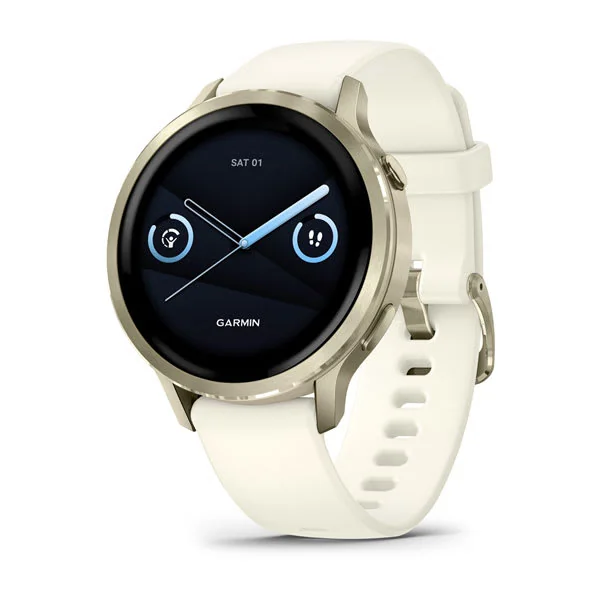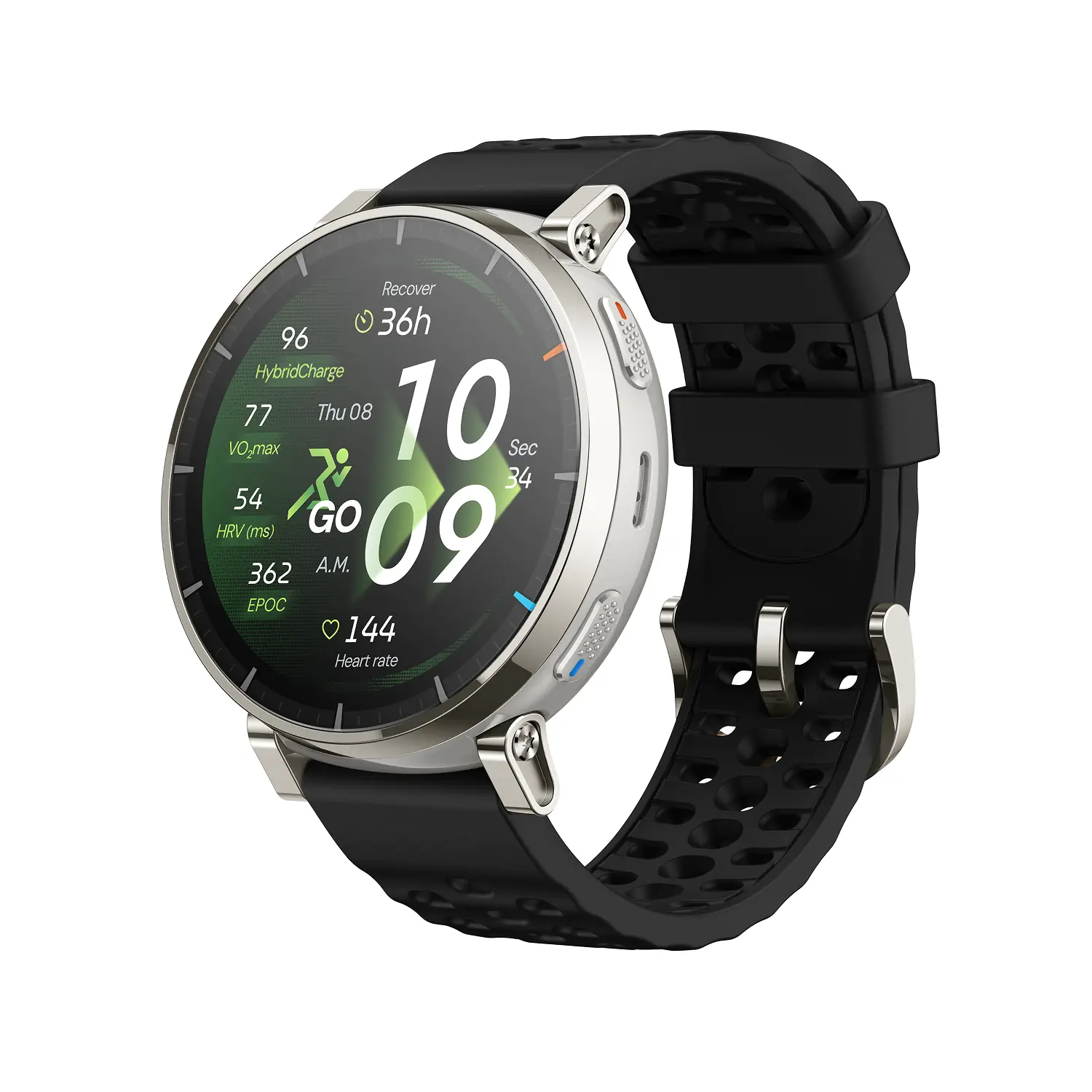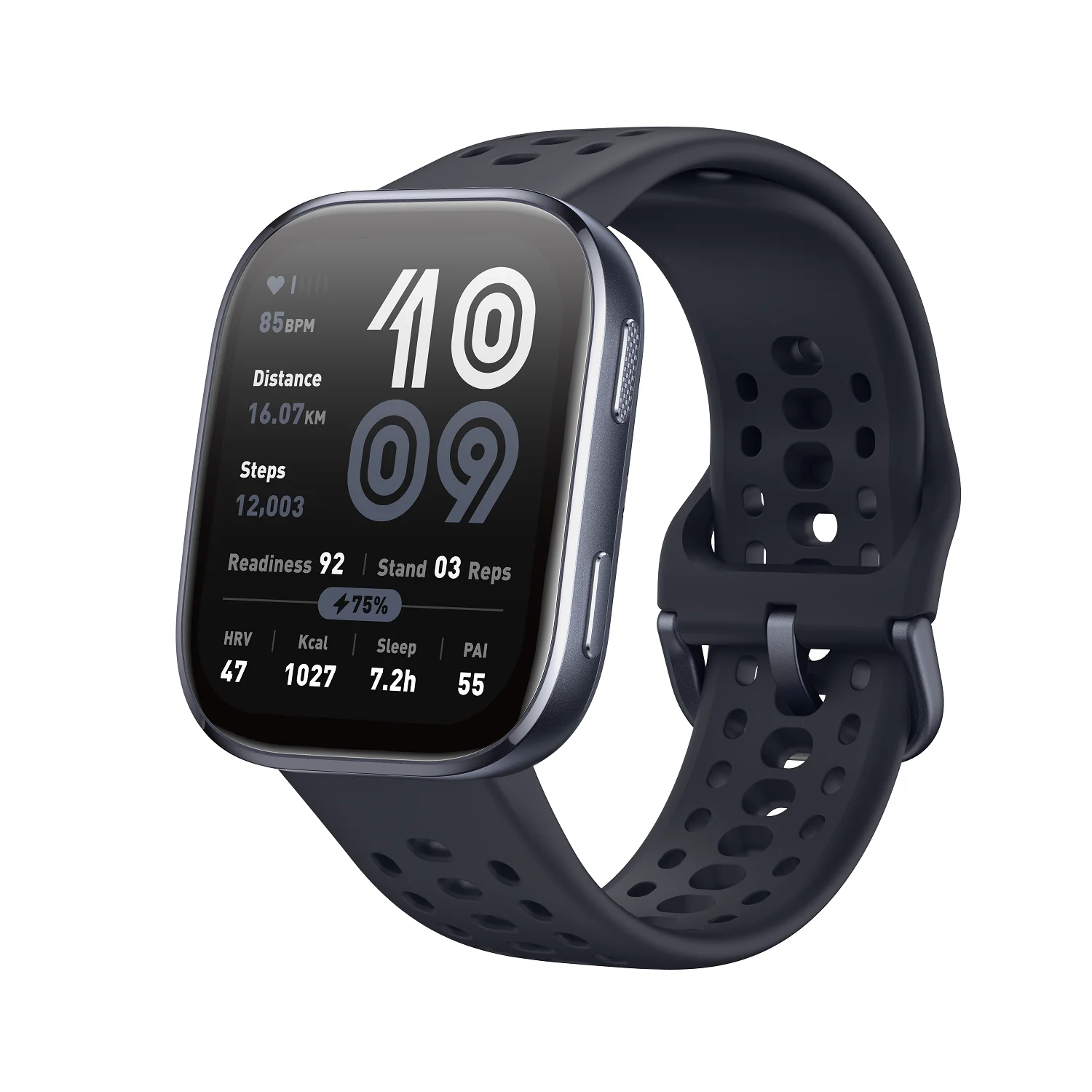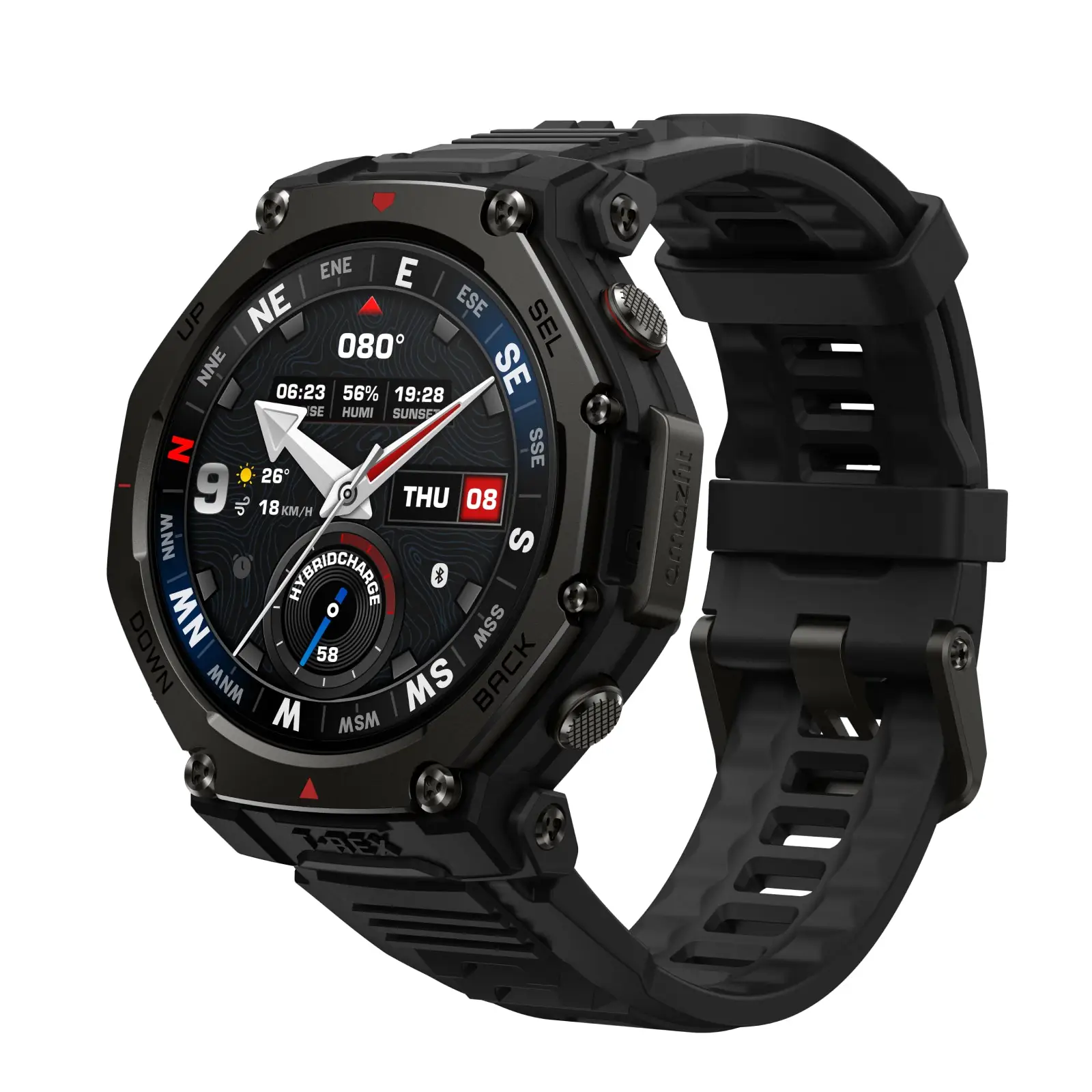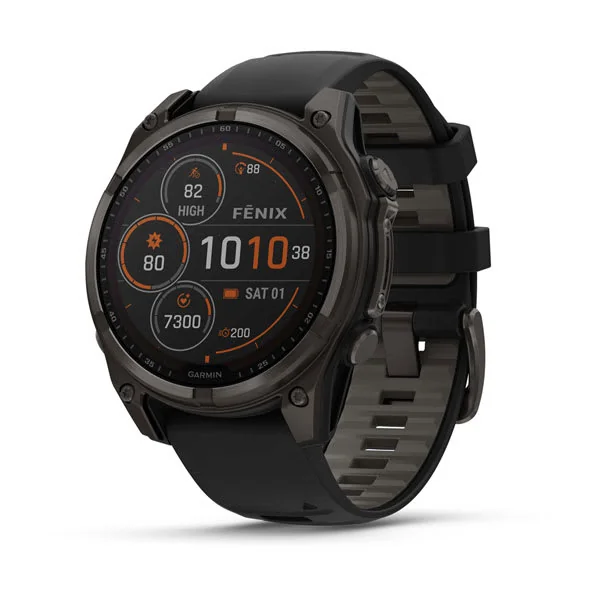
Garmin Fenix 8 Solar 47mm Sapphire (DLC Titanium, Black/Pebble Gray Band)
By Garmin · Smartwatches · Phones & Computers
- 47mm DLC titanium case with sapphire solar-charging AMOLEN lens
- Solar charging extends smartwatch battery life
- Built-in LED flashlight, speakers and mic, dive-rated design
- Premium multisport feature set with maps
- Black/Pebble Gray silicone band
Lowest price seen
$1,099.99
from $1,099.99 at SCHEELS · Checked Oct 9, 2026
- SCHEELS $1,099.99View at SCHEELS
- GarminView at Garmin
- WalmartView at Walmart
- eBay (used) eBay: used, open-box, refurbishedView at eBay (used)
- eBayView at eBay
- TargetView at Target
- The Home DepotView at The Home Depot
- Best BuyView at Best Buy
- The GPS StoreView at The GPS Store
- HeartRateMonitorsUSAView at HeartRateMonitorsUSA
- AbtView at Abt
- Kohl'sView at Kohl's
- Dick's Sporting GoodsView at Dick's Sporting Goods
- AmazonView at Amazon
Prices are snapshots. Check the current price with the store.
Summary
A premium multisport GPS watch that pairs a transflective MIP display with a Power Sapphire solar lens, a titanium bezel and a 10 ATM dive rating. Check the battery behaviour before you buy: several owners report the watch will not solar-charge once the battery is fully depleted, so you need a cable to restart it.
Strengths
- Multi-week battery life, with solar pushing the smartwatch mode claim to 28 days.
- GPS accuracy within 0.06 mile over a 2.80-mile reference route in testing.
- Heart rate averaged within 1.46 bpm of a Polar H10 chest strap.
- Sturdy build with a titanium bezel, sapphire lens and 10 ATM dive rating.
- The LED flashlight is a standout owner favourite.
- Multi-band GPS and preloaded TopoActive maps for navigation.
Weaknesses
- Owners describe the 47 mm Solar as thick and heavy.
- The watch will not solar-charge from a fully depleted battery; it needs a cable.
- Bluetooth music connectivity is a common complaint.
- Heart rate and sleep tracking draw accuracy complaints from owners.
- Speaker and vibration are weak enough that alarms are easy to miss.
- At $1,099.99, owners often point to the Fenix 7 Pro or Forerunner 970 as better value.
Verified specifications
| Model | Fenix 8 Solar 47 mm Sapphire, part number 010-02906-10. |
|---|---|
| Case | 47 x 47 x 15.2 mm; fiber-reinforced polymer with a metal rear cover. |
| Display | 1.4-inch transflective MIP, 260 x 260 pixels. |
| Lens | Power Sapphire with a solar-charging layer. |
| Bezel | titanium with a Carbon Gray DLC coating. |
| Band | Black/Pebble Gray silicone, 22 mm QuickFit. |
| Water resistance | 10 ATM (100 m); dive-rated to 40 m. |
| Battery, smartwatch mode | up to 21 days, 28 days with solar. |
| Battery, Battery Saver watch mode | up to 34 days, 58 days with solar. |
| Battery, GPS only | up to 67 hours, 92 hours with solar. |
| Battery, all satellite systems | up to 48 hours, 59 hours with solar. |
| Battery, all systems plus multi-band | up to 37 hours, 43 hours with solar. |
| Battery, all systems plus music | up to 13 hours. |
| Battery, Max Battery GPS | up to 132 hours, 283 hours with solar. |
| Battery, Expedition GPS | up to 34 days, 58 days with solar. |
| Solar assumption | all-day wear with 3 hours a day outdoors at 50,000 lux. |
| Storage | 32 GB. |
| Positioning | multi-band (dual-frequency) GPS with GLONASS and Galileo. |
| Sensors | Elevate 5 heart rate, altimeter, barometer, compass, Pulse Ox and temperature. |
| Features | LED flashlight, speaker and microphone, Garmin Pay, ECG app, offline voice commands, music storage, preloaded TopoActive maps, NextFork and dynamic round-trip routing. |
| Buttons | inductive (leakproof). |
| Warranty | 1 year. |
Full research notes and sources
Battery life and solar charging
Garmin claims up to 28 days in smartwatch mode with solar (21 without), up to 92 hours of GPS-only recording with solar (67 without), and up to 132 hours in Max Battery GPS mode (283 with solar). Those solar figures assume all-day wear with three hours a day outdoors at 50,000 lux, so real gains depend on how much sun you see. Outdoor Gear Lab measured 64 hours of continuous GPS recording against Garmin’s 66-hour claim, and 120 minutes to charge. Reddit owners report 17–18 days with a daily hour of exercise and smart features off, and 12 days with 1–1.5 hours of GPS use a day. The one catch is a recurring report that the watch will not solar-charge once the battery is fully flat; it needs a wired charge to come back on.
Size, display and build
The 47 mm case is 15.2 mm thick on Garmin’s spec sheet, but Outdoor Gear Lab measured 16.5 mm and 76.5 g with the silicone band; either way, owners and reviewers call it thick and heavy, especially next to the lighter AMOLED Fenix 8 and the 51 mm Enduro 3. The transflective MIP display is not as bright or colourful as AMOLED, but it is more readable in direct sunlight and uses less power. Tom’s Guide and GearJunkie tested AMOLED or larger Solar models, so treat their display notes with care. The inductive buttons seal out water but are harder to press than Garmin’s older physical buttons, according to one owner.
Which model this is
This page covers the Fenix 8 Solar in 47 mm with a Sapphire Power lens and Carbon Gray DLC titanium bezel, part number 010-02906-10, supplied with a Black/Pebble Gray silicone band. The US Amazon variant is ASIN B0DD622CGH. The Solar uses a MIP display with an integrated solar layer, different from the AMOLED Fenix 8 and the Fenix 8 Pro that adds inReach satellite messaging. Solar comes in 47 mm and 51 mm only; the 47 mm has a 260 x 260 display against the 51 mm’s 280 x 280. There is no 43 mm Solar.
Price and value
Garmin lists the 47 mm Solar Sapphire at $1,099.99, and Tom’s Guide put the whole Fenix 8 range at $999.99–$1,199.99 depending on size and materials. The Fenix 8 Pro with inReach starts at $1,199.99 for the 47 mm AMOLED if you need satellite messaging. There is no subscription for core GPS, mapping or health tracking; Garmin Connect is free. From $850 to $950 the Solar 47 mm is a strong option for a premium solar watch; from $950 to $1,100 the value narrows against the lighter Forerunner 970 and a discounted Fenix 7 Pro; above $1,100 it is hard to justify unless you specifically want solar charging, the dive rating or the 47 mm size.
Sources
Manufacturer:
Independent reviews:
- Outdoor Gear Lab Garmin Fenix 8 Solar review
- Tom’s Guide Garmin Fenix 8 review
- GearJunkie Garmin Fenix 8 Solar review
- Runner’s World Garmin Fenix 8 review
Owner reports: