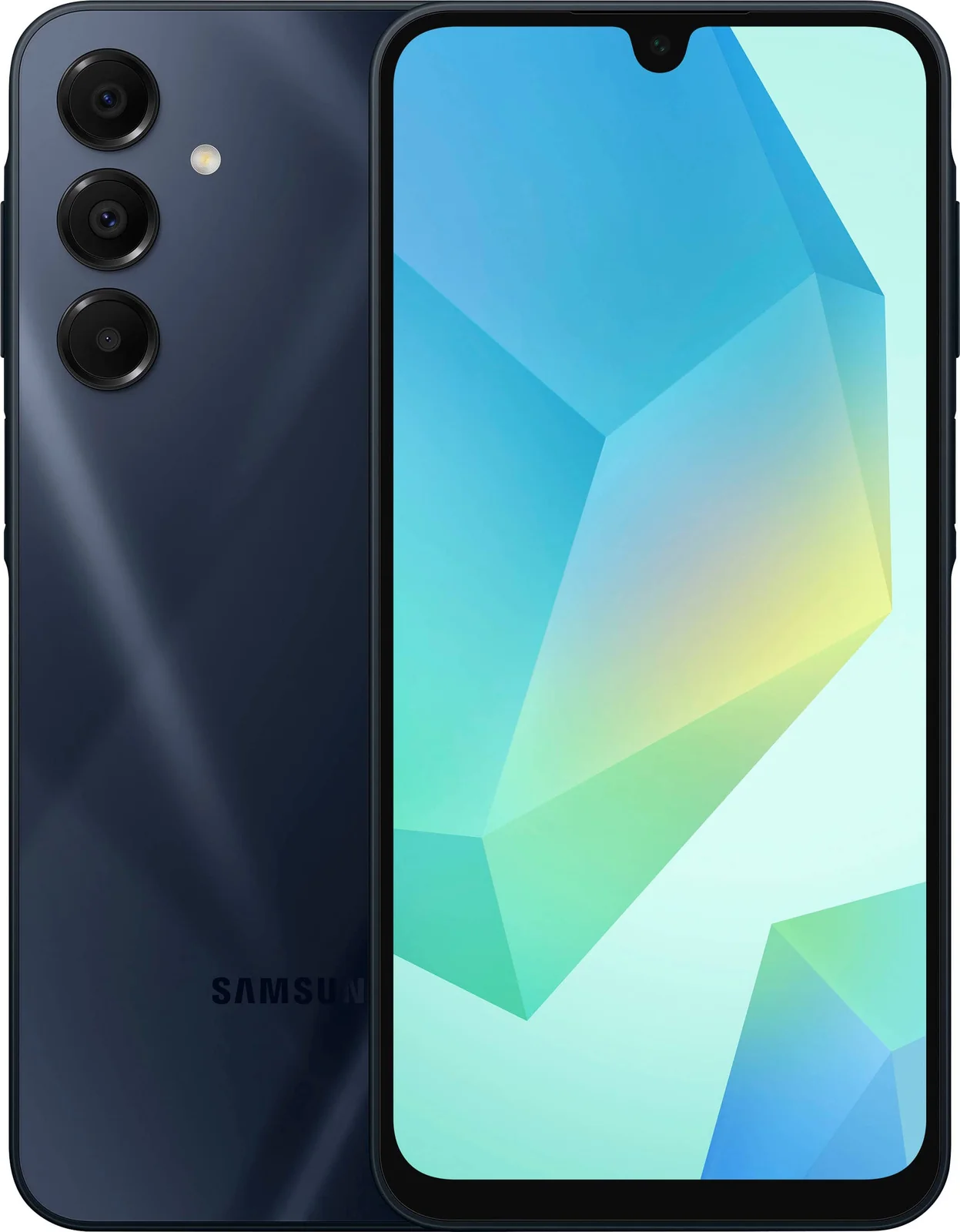
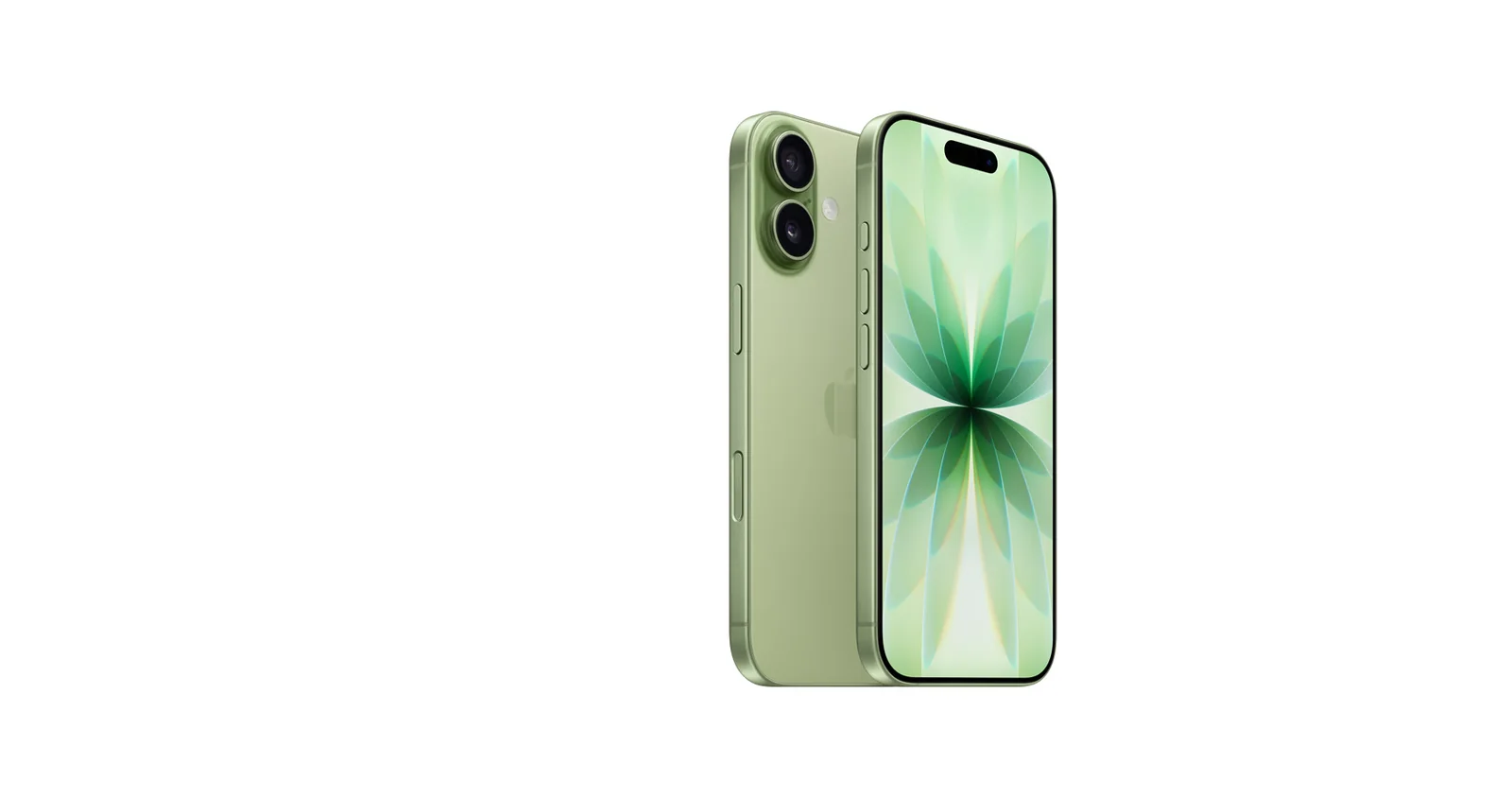
Samsung Galaxy S25 (256GB)
By Samsung · Smartphones · Phones & Computers
- 6.2-inch FHD+ (2340x1080) Dynamic AMOLED 2X display, 120Hz, 2600 nits peak brightness
- Snapdragon 8 Elite for Galaxy, 12GB RAM, 256GB storage
- 50MP wide (f/1.8, OIS) + 12MP ultra-wide (f/2.2) + 10MP 3X telephoto (f/2.4, OIS)
- 4000 mAh battery, 25W wired fast charging, 15W wireless charging
Lowest price seen
~$799.99 (approx.)
from $799.99 at Amazon
- Amazon ~$799.99 (approx.)View at Amazon
- SamsungView at Samsung
- eBay (used) eBay: used, open-box, refurbishedView at eBay (used)
- eBayView at eBay
- WalmartView at Walmart
- TargetView at Target
Prices are snapshots. Check the current price with the store.
Summary
A compact Android flagship with top-tier performance and seven years of OS updates, built for buyers who want a small phone that still feels fast. Check the charging before you buy: 25W wired is slower than Samsung’s own S25+ and most rivals, and the box has no charger.
Strengths
- Compact 162 g body with a 6.2-inch display, comfortable for one-handed use.
- Snapdragon 8 Elite for Galaxy delivers a large performance jump over the S24’s chip.
- Seven years of OS updates matches Google’s commitment on its own phones.
- IP68 rating and Gorilla Glass Victus 2 give flagship-level durability.
- Bright display; GSMArena measured 1,395 nits in automatic mode.
- A real 3x optical telephoto lens, plus useful AI features like Circle to Search and Audio Eraser.
Weaknesses
- Camera hardware is unchanged from the S24; the improvements are software-only.
- 25W wired charging is slow next to the S25+ and S25 Ultra, and no charger is in the box.
- GSMArena measured about 57% CPU and 46% GPU performance loss under sustained stress.
- The design has been virtually unchanged since the Galaxy S22.
- No microSD slot and no 3.5 mm headphone jack.
- Some owners report oversaturated colors and over-brightened photos.
Verified specifications
| Model | Samsung Galaxy S25, 256GB storage (US unlocked family SM-S931U1; SM-S931B/DS is the regional variant). |
|---|---|
| Display | 6.2-inch Dynamic AMOLED 2X, 2340 × 1080 (FHD+), 120 Hz adaptive, 2600 nits peak, HDR10+. |
| Processor | Snapdragon 8 Elite for Galaxy (3 nm), octa-core, Adreno 830. |
| RAM | 12 GB LPDDR5X. |
| Storage | 256 GB UFS 4.0; no microSD slot. |
| Rear cameras | 50 MP wide (f/1.8, OIS) + 12 MP ultra-wide (f/2.2, 120°) + 10 MP telephoto (f/2.4, 3x optical, OIS). |
| Front camera | 12 MP (f/2.2). |
| Video | rear 8K at 24/30 fps, 4K at 30/60 fps; front 4K at 30/60 fps. |
| Battery | 4000 mAh, rated for a minimum of 2000 cycles; not removable. |
| Charging | 25W wired (PD3.0, 50% in 30 min), 15W wireless (Qi2-ready, magnets need a compatible case), 4.5W reverse wireless. |
| OS | Android 15 with One UI 7 at launch; up to 7 major Android upgrades. |
| Connectivity | 5G (sub-6GHz, C-band, mmWave), Wi-Fi 7, Bluetooth 5.4, NFC, USB 3.2 Gen 1 Type-C. |
| Biometrics | ultrasonic under-display fingerprint sensor, face unlock. |
| Build | Gorilla Glass Victus 2 front and back, Armor Aluminum frame, IP68 (1.5 m for 30 min). |
| Dimensions | 146.9 × 70.5 × 7.2 mm; 162 g. |
| SIM | dual (nano-SIM + eSIM or dual eSIM). |
| Audio | stereo speakers; no 3.5 mm headphone jack; Samsung DeX supported. |
| In the box | USB-C to USB-C cable and SIM pin; no power adapter. |
| Warranty | one year standard; Samsung Care+ available in the US. |
Full research notes and sources
Performance and battery life
The Snapdragon 8 Elite for Galaxy is a custom 3 nm part with higher clock speeds than the standard chip, though Samsung has not documented the exact differences. GSMArena measured Geekbench 6 multi-core at 10,050 on the 256 GB model and saw 30% higher CPU scores than the S24’s Snapdragon 8 Gen 3, and PCMag’s Geekbench 6 single-core score of 3050 sits close to the iPhone 16’s 3091. GSMArena also recorded about 57% CPU performance loss and 46% GPU loss under continuous stress; the phone gets warm but never hot.
Battery life improved over the S24 despite the same 4000 mAh capacity. GSMArena and PCMag both measured 14 hours 15 minutes in streaming tests, while Tom’s Guide measured 15 hours 43 minutes in its web test and Consumer Reports rated 39 hours in mixed usage. Those test methods differ, so the figures are not directly comparable. Samsung rates the battery for a minimum of 2000 cycles under the EU standardized test for the SM-S931B/DS variant, which is durability evidence for the same hardware family.
Camera and display
The triple camera system — 50 MP wide, 12 MP ultra-wide and 10 MP 3x telephoto — is carried over unchanged from the S24. Samsung’s ProVisual Engine improves processing, and Consumer Reports rates the camera very good for color quality, exposure, sharpness and noise. Even so, PCMag notes colors appear slightly oversaturated and images over-brightened, 8K video is dark and shaky next to 4K, and portrait mode can be aggressive with blur. GSMArena specifically criticizes the lack of autofocus on the ultra-wide.
The 6.2-inch Dynamic AMOLED 2X panel runs at 2340 × 1080 (FHD+) with a 120 Hz adaptive refresh rate. GSMArena measured 1,395 nits in automatic mode and 747 nits with the manual extra-brightness boost, well under the advertised 2600 nits. That resolution sits below the QHD+ panels on the S25+ and S25 Ultra, though Consumer Reports measured 752 cd/m² with minimal glare and rated the display excellent. The design has been virtually unchanged since the Galaxy S22, and at 162 g the phone is lighter than most competitors.
Software and reliability
The phone runs Android 15 with One UI 7 at launch and is promised seven major OS upgrades, matching Google’s commitment. Samsung’s software is feature-dense; The Verge found many AI additions useful but inconsistent and noted that some headline features also reach older Galaxy models.
An April 2026 software update produced a battery-drain and overheating complaint wave across S25 and S24 devices. Samsung Community users pointed to Knox Matrix activity as a likely trigger; a commonly reported workaround was to uninstall Knox Matrix updates, reinstall from Galaxy Store, reboot and temporarily use the Light performance profile, after which multiple users saw battery behavior return to normal. This looks software-related rather than a defective battery design, and Samsung published no formal failure-rate or postmortem. Outside that incident, owners still report a wide range: one June 2026 owner described roughly 5 to 5.5 hours of screen-on time on mobile data, and a single owner reported a 16 to 17% drop during a document-photo session.
Charging, repairs and running costs
The box contains a USB-C cable but no power adapter, so a 25W USB-PD brick is an extra purchase; Samsung’s own 25W PD adapter is $19.99. Charging is the weak point: GSMArena measured 28% after 15 minutes, 56% after 30 minutes and about 1 hour 17 minutes to full, and PCMag measured 65 minutes for a full charge. The battery is not removable, and Samsung does not publish a simple nationwide US battery-replacement price.
Repairs are widely available through walk-in, mobile and mail-in service. Samsung’s suggested US authorized price for a screen-only repair is $189 before tax and local fees. Samsung Care+ costs $5 a month or $119 for two years, including $29 same-day cracked-screen repairs under plan terms; Care+ with Theft and Loss costs $10 a month or $199 for two years. Electricity is negligible: a daily full recharge of a 15.6 Wh battery at the July 2026 US residential average of 18.31 cents/kWh comes to about $1.04 a year before charging losses.
Is it worth it?
Samsung US lists the 256GB model at $899.99 direct, while Walmart US-version unlocked listings showed about $694.99 for multiple colors and Consumer Reports showed $699.99. GSMArena listed the 256GB variant at $509.95 from affiliate partners, and Samsung’s own published US price before eligible trade-in was $799.99. At $650 or less it is an excellent buy; around $695 it is a good one for a compact flagship with years of updates left. Above $800 the case weakens, because Samsung sells the newer Galaxy S26 256GB for $899.99, Google’s Pixel 10 is $799 for 128GB and $899 for 256GB, and Apple’s iPhone 17 256GB is $899. The S25+ adds a QHD+ display, 45W charging and a 4900 mAh battery for $999.99.
Which model this is
This page covers the Samsung Galaxy S25 with 256GB storage, ASIN B0DSLTZFXN. The current US unlocked hardware family is SM-S931U1, with color SKUs such as SM-S931UZKEXAA for Blueblack and SM-S931UZSEXAA for Silver Shadow; SM-S931B/DS is the regional variant. The 256GB model uses UFS 4.0 storage, while the base 128GB variant uses UFS 3.1. It sits below the S25+ and S25 Ultra in Samsung’s 2025 lineup: the S25+ has a 6.7-inch QHD+ display, 4900 mAh battery and 45W charging, and the S25 Ultra has a 200MP main camera and 5x periscope telephoto.
Sources
Manufacturer:
- Samsung UK — Galaxy S25 specifications
- Samsung US — Galaxy S25 features and highlights
- Samsung US — Galaxy S25 256GB purchase page
- Samsung US — 25W PD power adapter EP-T2510NBEGUS
- Samsung US — cracked screen repair pricing
- Samsung Support US — mobile standard limited warranty
- Samsung Support US — service request and repair options
- Samsung — Galaxy S25 SM-S931B/DS EU product information sheet
- Samsung Mobile — Galaxy S25 SM-S931U1 software update log
Independent reviews:
- GSMArena — Samsung Galaxy S25 review
- GSMArena — display, battery and charging tests
- GSMArena — performance and sustained-load tests
- GSMArena — camera review
- PCMag — Samsung Galaxy S25 review
- Consumer Reports — Samsung Galaxy S25 review
- Tom’s Guide — Samsung Galaxy S25 review
- TechRadar — Samsung Galaxy S25 review
- The Verge — Samsung Galaxy S25 and S25 Plus review
- Android Authority — Galaxy S25/S24 battery drain after April 2026 update
Owner reports:
- Galaxy S25 Knox Matrix battery drain and overheating thread (Samsung Community)
- 2026 owner battery-life discussion (r/GalaxyS25)
- S25 camera battery drain owner report (r/samsunggalaxy)
Stores: